Our Work
Diversity of Life in Dinagat Island
A field update from PhilBio's conservation network.
Back to Blog

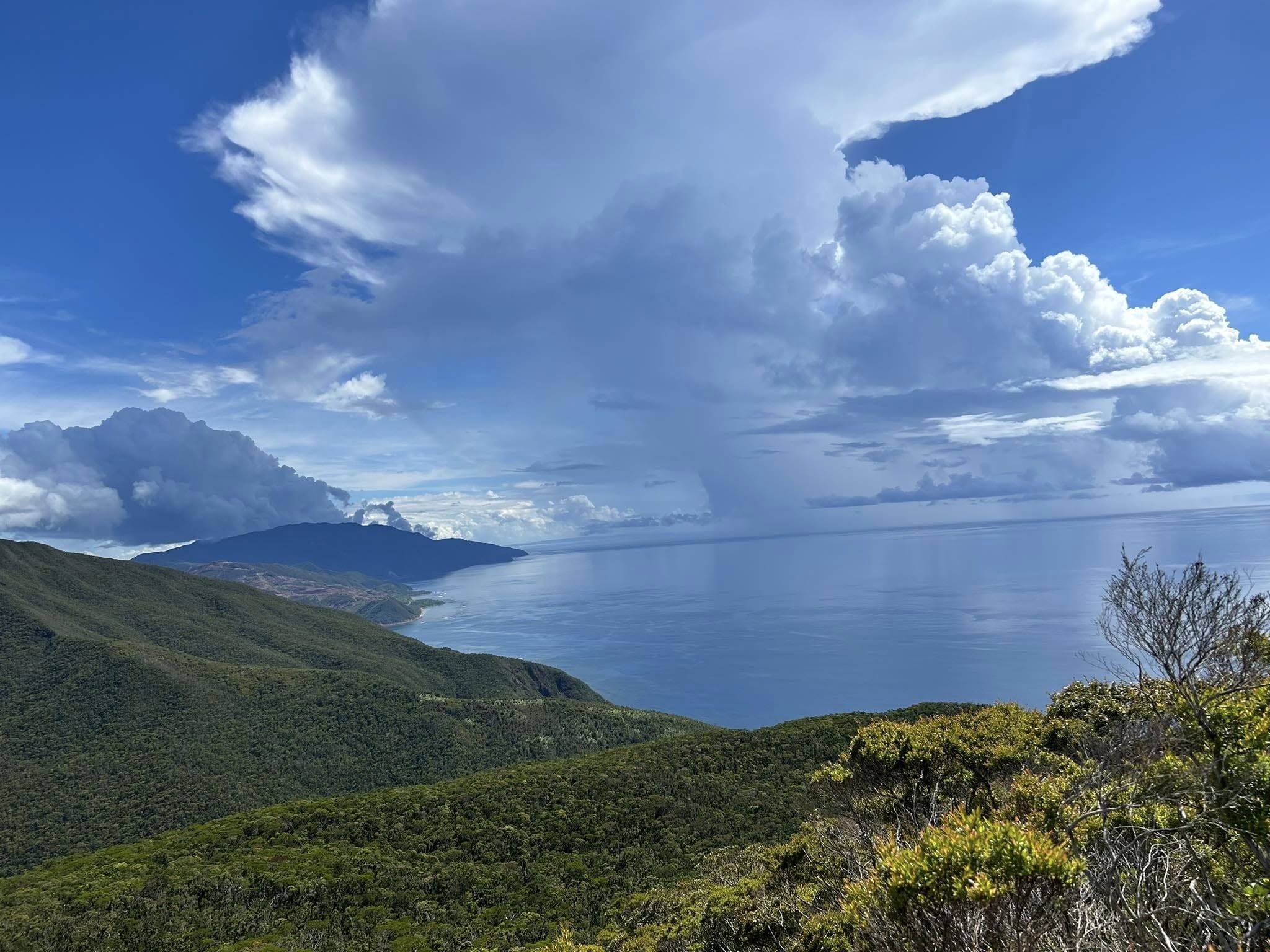
Diversity of Life in Dinagat Island
New discoveries, rich biodiversity, and a critical conservation landscape—these are the remarkable findings from a recent biodiversity assessment conducted in the watersheds of Dinagat Island. The survey, led by the Philippines Biodiversity Conservation Foundation Inc. (PhilBio) in collaboration with KAISAHAN Foundation Inc. through the C4C Project, offers valuable insights into the island’s ecological significance and the diverse species that call it home.
The biodiversity assessment, conducted between May and July 2024, was a collaborative effort involving PhilBio, wildlife biologists and botanists from the Mindanao State University-Iligan Institute of Technology (MSU-IIT), local government units (LGUs), and the Department of Environment and Natural Resources (DENR). Over 30 days of intensive field monitoring, researchers explored five (5) watersheds, documenting a variety of species and identifying areas in urgent need of conservation action.
An Island of Unmatched Diversity
Dinagat Island, located within the Eastern Mindanao Biodiversity Corridor, is a megadiverse region where unique geography and climatic conditions have fostered high endemism and distinct species assemblages. Recognized as a sub-center of endemism within the Greater Mindanao Biogeographic Region, Dinagat harbors an extraordinary variety of flora and fauna, many of which exist nowhere else in the world. However, despite its ecological importance, much of Dinagat’s biodiversity remains understudied and is increasingly threatened by habitat loss and environmental degradation.
Flora and Fauna: A Treasure Trove of Life
The survey documented 229 plant species from 72 plant families across the Paragua and Palhi watersheds. Among these were 219 fruit-bearing species and 10 species of ferns and fern allies. Alarmingly, 22 species were classified as threatened under DENR DAO 2017-11, underscoring the need for strengthened protection efforts.
Bird diversity was equally remarkable, with 36 species recorded between the two watersheds—26 species observed in Paragua and 30 species in Palhi. The Purple-throated Sunbird (Leptocoma sperata) emerged as the most abundant species, followed by the Yellowish Bulbul and the Philippine Fairy Bluebird. Notably, all three Mindanao-endemic hornbill species, including the Rufous Hornbill (Buceros hydrocorax), were recorded, highlighting Dinagat’s importance as a refuge for these iconic, forest-dependent birds.
The herpetofaunal diversity on Dinagat is equally impressive, with 13 amphibian species documented across three watershed sites. Two new island records—the Eastern Mindanao Dwarf Toad (Pelophryne lighti) and the Pointed Snout Frog (Philautus acutirostris)—were discovered, adding to Dinagat’s growing list of unique species. A total of 33 reptile species were also identified, including one freshwater turtle species (Cuora philippinensis), 17 lizard species, and 15 snake species.
Mammalian diversity was highlighted by the documentation of 14 species, including 11 bat species and two rodent species. Field observations also revealed evidence of the Philippine warty pig (Sus philippensis), with footprints and fresh feeding remains found in the bamboo-dominated lowland forests of the Paragua watershed.
Dinagat Island: A Fragile Paradise
Dinagat Island is more than just a patch of green on the map—it is a sanctuary of life, a refuge for species found nowhere else, and a testament to nature’s resilience. However, this fragile paradise stands at a crossroads, facing mounting pressures from habitat destruction and environmental degradation. The island’s biodiversity is not merely a collection of species; it is a living, breathing ecosystem that sustains communities, regulates the climate, and holds stories of evolution millions of years in the making.
As Dinagat’s future hangs in the balance, the findings from this assessment serve as a call to action—a reminder that protecting this island’s biodiversity is not just a conservation imperative but a commitment to safeguarding the natural heritage of future generations.